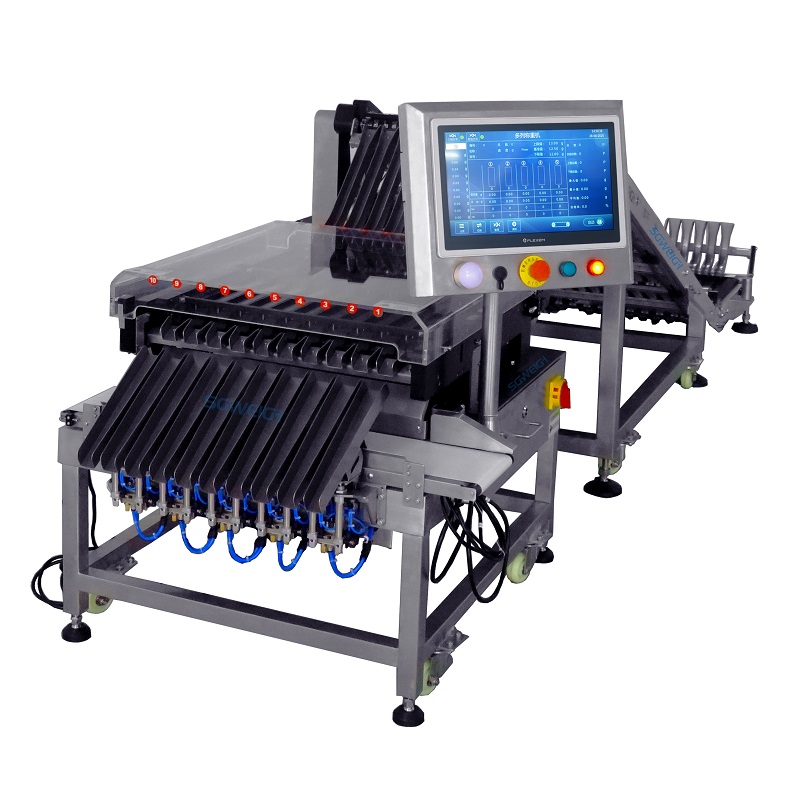
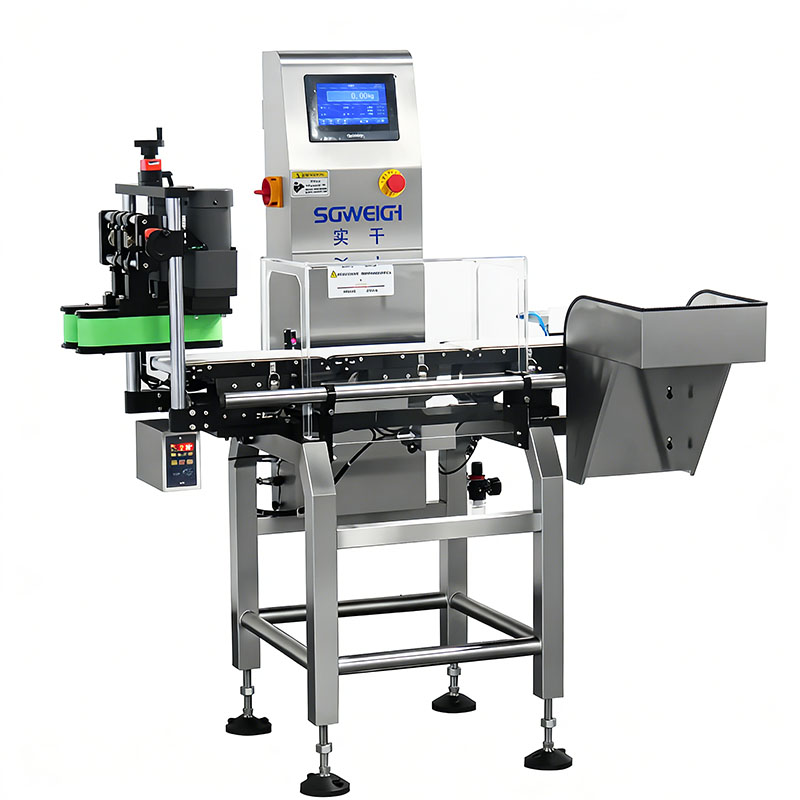

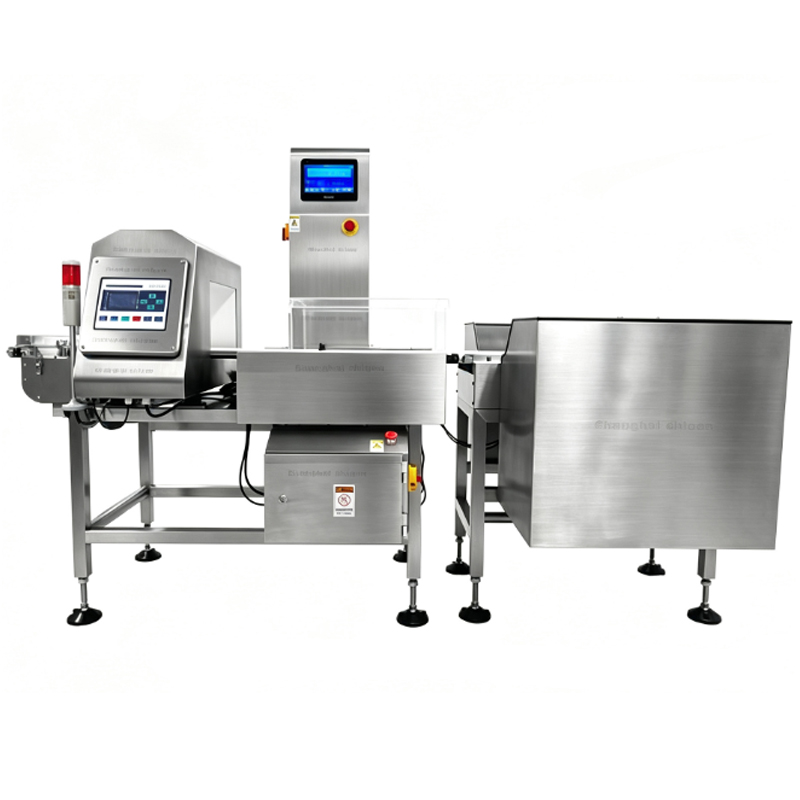
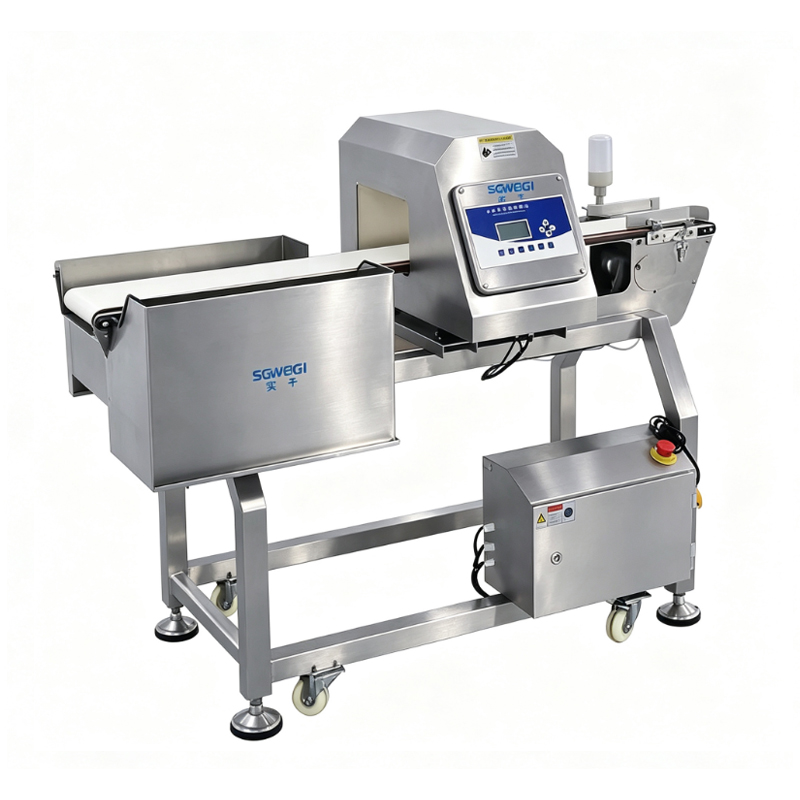
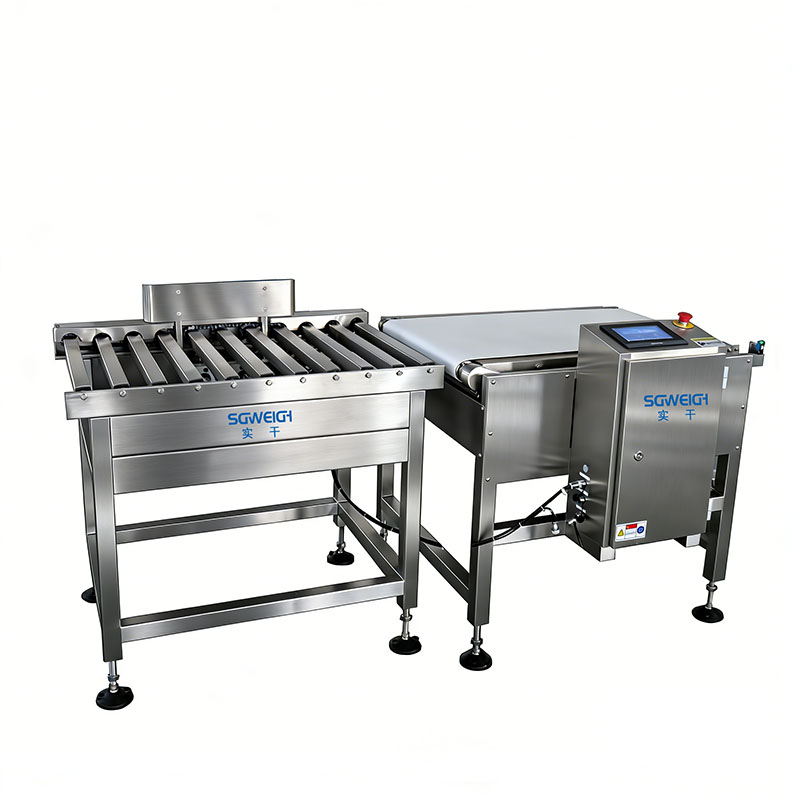
In modern automated production lines, automatic checkweighers play a critical role in ensuring product weight accuracy, reducing waste, and maintaining compliance with industry regulations. Whether used in food, pharmaceutical, beverage, cosmetic, or logistics industries, regular checkweigher maintenance is essential for stable operation and long-term performance.
Many manufacturers ask the same questions: How do I maintain my checkweigher? What are the most common checkweigher problems? How can downtime be reduced?
This guide explains everything in a simple and practical way while helping production managers improve equipment efficiency and reduce maintenance costs.
Why Regular Checkweigher Maintenance Matters
A dynamic checkweigher continuously measures product weight while products move at high speed along the conveyor. Over time, dust, vibration, worn parts, or improper calibration can affect weighing accuracy.
Routine maintenance helps you:
1. Improve weighing accuracy
2. Reduce false rejects
3. Extend machine lifespan
4. Prevent unexpected downtime
5. Maintain production efficiency
6. Ensure compliance with quality standards
For industries such as pharmaceuticals and food packaging, proper maintenance is especially important because inaccurate weights can lead to customer complaints, regulatory issues, and product recalls.
Daily Checkweigher Maintenance Checklist
Performing simple daily inspections can prevent many common problems.
1. Clean the Conveyor and Weighing Platform
Dust, powder, oil, water, or product residue can interfere with load cell readings.
Best Practices:
Clean the conveyor belt after each shif
Remove stuck products immediately
Avoid high-pressure water directly on sensitive electronic parts
Use food-grade cleaning methods for hygienic industries
2. Check Load Cell Stability
The load cell is the core component of a dynamic checkweigher machine. Any vibration or physical impact can affect measurement accuracy.
Inspect for:
Loose mounting screws
Abnormal vibration
Mechanical interference
Damaged cables
If the machine displays unstable readings, the load cell should be checked first.

3. Verify Calibration Regularly
Incorrect calibration is one of the most common causes of inaccurate weighing.
Recommended Calibration Schedule:
Daily for high-precision pharmaceutical lines
Weekly for general packaging applications
After machine relocation or maintenance
Use certified test weights during calibration.
4. Inspect Conveyor Belt Alignment
A worn or misaligned conveyor belt can cause unstable product movement and inaccurate weighing results.
Signs of Conveyor Problems:
Belt drifting to one side
Product shaking during transfer
Irregular spacing between products
Increased reject rate
Replace damaged belts immediately to avoid larger mechanical failures.
5. Check Electrical Components
Electrical issues can stop production unexpectedly.
Inspect:
Sensor connections
Emergency stop buttons
Power supply stability
PLC communication
HMI touch screen response
Preventive electrical inspections help reduce costly downtime.
Common Checkweigher Problems and Solutions
Understanding common issues allows operators to solve problems quickly and keep production running efficiently.
Problem 1: Inaccurate Weight Readings
Possible Causes:
Incorrect calibration
Conveyor vibration
Dirty weighing platform
Load cell damage
Airflow interference
Solutions:
Recalibrate the machine
Clean the weighing section
Reduce nearby vibration sources
Replace damaged load cells
Install wind protection if necessary
Problem 2: Frequent False Rejects
False rejects reduce production efficiency and increase waste.
Causes:
Incorrect product spacing
Conveyor speed mismatch
Sensor misalignment
Improper reject timing
Solutions:
Adjust product spacing
Synchronize conveyor speed
Re-align photoelectric sensors
Optimize reject settings

Problem 3: Conveyor Belt Not Running Properly
Common Causes:
Motor wear
Belt tension issues
Foreign objects stuck in rollers
Drive system failure
Solutions:
Inspect motor condition
Adjust belt tension
Remove debris
Replace damaged rollers
Routine conveyor maintenance significantly improves equipment reliability.
Problem 4: Unstable Weight Values
Causes:
Environmental vibration
Airflow from fans or air conditioners
Loose machine frame
Unstable product placement
Solutions:
Install anti-vibration supports
Reduce surrounding airflow
Tighten machine structure
Improve product guiding system
Problem 5: Touch Screen or System Alarm Errors
Causes:
Software communication failure
Electrical interference
Loose wiring
System overload
Solutions:
Restart the control system
Check communication cables
Inspect PLC connections
Update software if necessary
Modern intelligent checkweighers often include self-diagnostic alarm systems to simplify troubleshooting.

Preventive Maintenance Tips for Longer Checkweigher Lifespan
Preventive maintenance is always more cost-effective than emergency repair.
Recommended Maintenance Plan
| Maintenance Item | Frequency |
| Cleaning | Daily |
| Calibration | Weekly |
| Conveyor Inspection | Weekly |
| Electrical Inspection | Monthly |
| Load Cell Check | Monthly |
| Full Preventive Maintenance | Every 6 Months |
Keeping detailed maintenance records also helps identify recurring problems early.
How to Improve Checkweigher Performance
Besides maintenance, several operational improvements can enhance weighing performance.
Use Proper Product Spacing
Products placed too closely together can interfere with sensor detection.
Reduce External Vibration
Install the machine on a stable floor away from heavy equipment.
Maintain Stable Conveyor Speed
Fluctuating conveyor speeds can affect dynamic weighing accuracy.
Train Operators Properly
Well-trained operators can identify abnormal machine behavior early and reduce downtime.
Choosing a Reliable Checkweigher Supplier Matters
High-quality checkweighers are easier to maintain and provide more stable long-term performance. When selecting equipment, manufacturers should consider:
Load cell quality
Conveyor durability
Software intelligence
After-sales support
Spare parts availability
Calibration convenience
A reliable supplier can also provide professional maintenance training and technical support.
Proper checkweigher maintenance is essential for maintaining weighing accuracy, reducing downtime, and improving production efficiency. Most common problems — such as inaccurate readings, unstable measurements, false rejects, and conveyor issues — can be prevented through regular cleaning, calibration, inspection, and preventive maintenance.
By implementing a structured maintenance plan, manufacturers can extend equipment lifespan, reduce repair costs, and ensure consistent product quality across the entire production line.
If your production line relies heavily on dynamic weighing systems, investing time in regular checkweigher maintenance will deliver significant long-term operational benefits.