
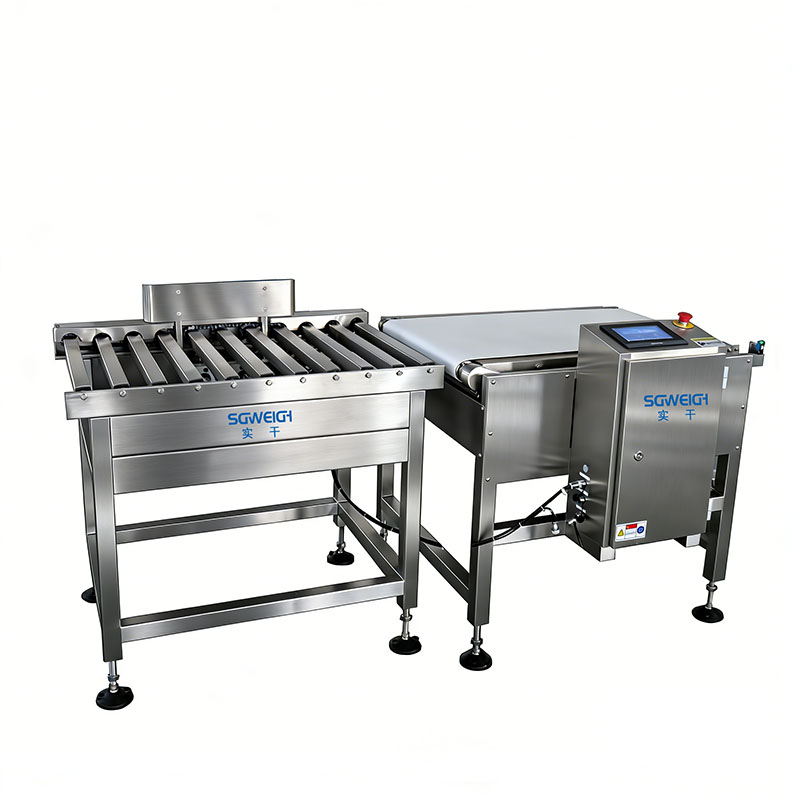
What Is a Food Metal Detector and How Does It Work?
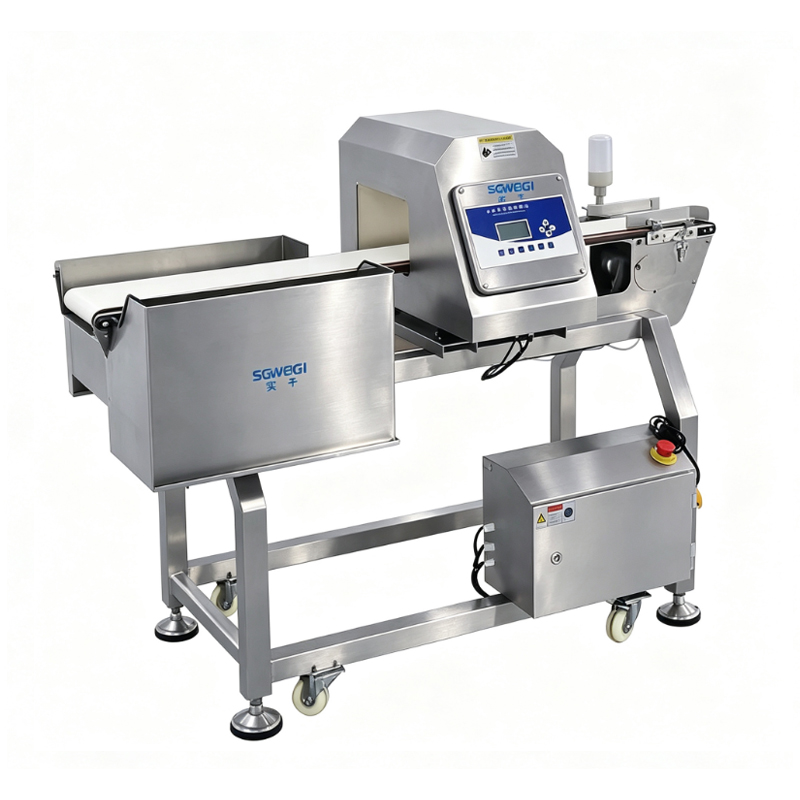
A food metal detector is an essential inspection system used in the food processing industry to identify and remove metal contaminants from products during production. As a food processing metal detector, it plays a critical role in ensuring food safety, protecting consumer health, and helping manufacturers comply with strict quality standards such as HACCP and BRC.
What Is a Food Metal Detector?
A food metal detector is a specialized device designed to detect unwanted metal particles—such as iron, stainless steel, or aluminum—that may accidentally enter food products during manufacturing. These contaminants can originate from machinery wear, broken processing equipment, or raw material impurities.
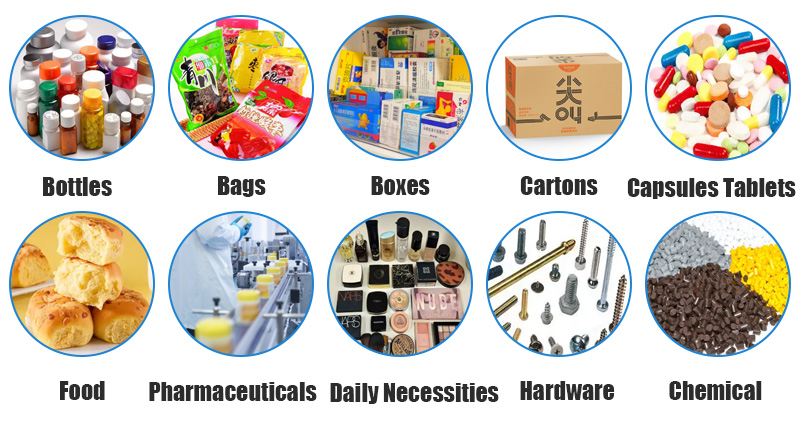
Modern systems, including the industrial food metal detector, are widely used across various sectors, including:
Meat and poultry processing
Dairy production
Bakery and snack manufacturing
Frozen and packaged foods
Capsules and tablets
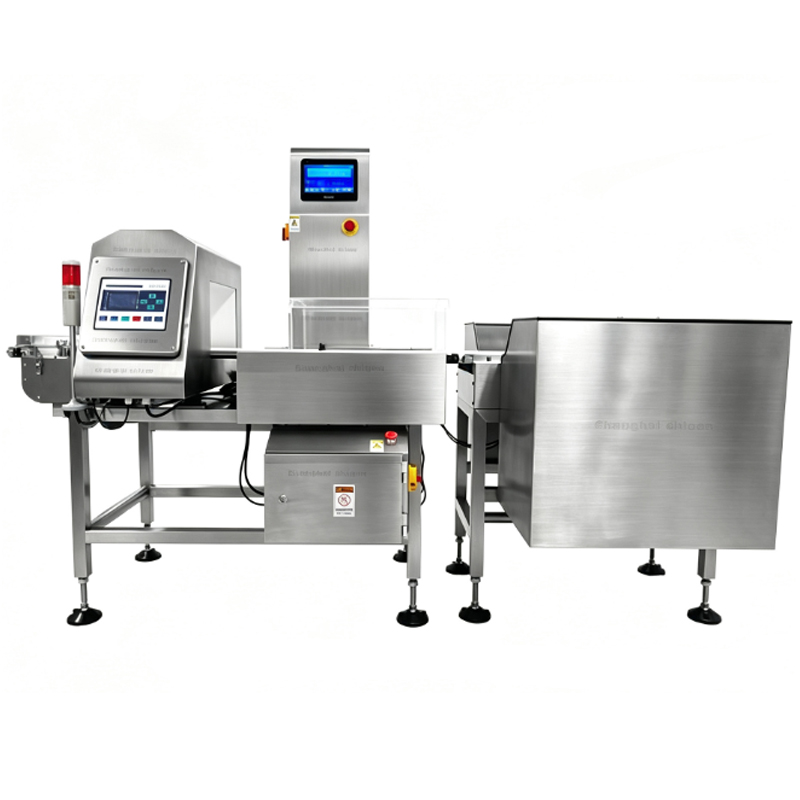
By integrating seamlessly into production lines, an inline food metal detector acts as a critical control point, preventing contaminated products from reaching the market.
How Does a Food Metal Detector Work?
A conveyor food metal detector operates based on electromagnetic field technology. The system typically consists of a transmitter coil, receiver coils, and a control unit.
Here’s how the process works:
1. Electromagnetic Field Generation
The transmitter coil generates a high-frequency electromagnetic field within the detection area.
2. Product Passes Through the Detector
As food products move through the conveyor food metal detector, they enter this electromagnetic field.
3. Signal Disruption by Metal
If a metal contaminant is present, it disrupts the electromagnetic field. This disturbance creates a detectable signal difference.
4. Signal Processing and Detection
The receiver coils capture the signal change and send it to the control unit, which analyzes whether the disruption is caused by metal. A high sensitivity food metal detector ensures even the smallest particles are identified.
5. Automatic Rejection
Once metal is detected, the automatic metal detector for food immediately triggers a rejection mechanism, such as:
Air blast systems
Push arm rejectors
Drop flaps
This ensures that contaminated products are automatically remove from the production line without interrupting workflow.

Types of Metals Detected
A food metal detector is capable of identifying three main categories of metals:
Ferrous metals (e.g., iron, steel) – easiest to detect
Non-ferrous metals (e.g., copper, aluminum)
Stainless steel – more challenging but detectable with advanced systems
Why Food Metal Detection Is Important
Implementing a food metal detector provides several key benefits:
Consumer Safety: Prevents harmful metal fragments from reaching consumers
Regulatory Compliance: Meets global food safety standards such as HACCP, FDA, and BRC
Brand Protection: Reduces the risk of recalls and reputational damage
Operational Efficiency: Enables real-time inspection without slowing production
Factors That Affect Detection Performance
Several variables can influence the effectiveness of a food metal detector:
Product type (wet, dry, frozen)
Packaging material (especially foil or metallized films)
Product size and shape
Environmental conditions (temperature, vibration, electrical interference)
Advanced systems, such as a high sensitivity food metal detector, use multi-frequency or digital signal processing technology to minimize product effect and improve detection accuracy.
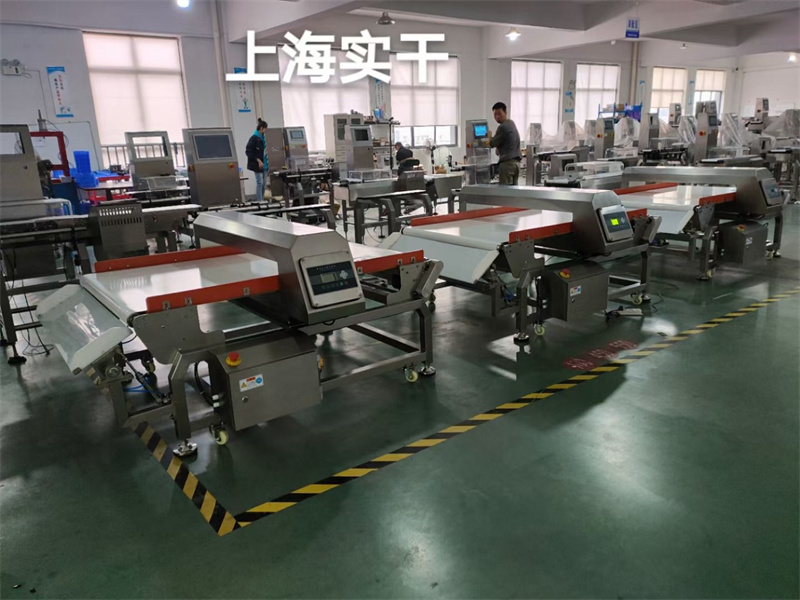
A food metal detector is a vital component of modern food safety systems. By using electromagnetic field technology to detect and eliminate metal contaminants, it helps manufacturers maintain high-quality standards, comply with regulations, and protect consumers.
For any food production facility aiming to enhance quality control and reduce risk. Investing in a reliable industrial food metal detector is not just an option—it is a necessity. If you’re interest in our food metal detector machine, welcoome to contact us!