

What Is a Rejection System in a Checkweigher?
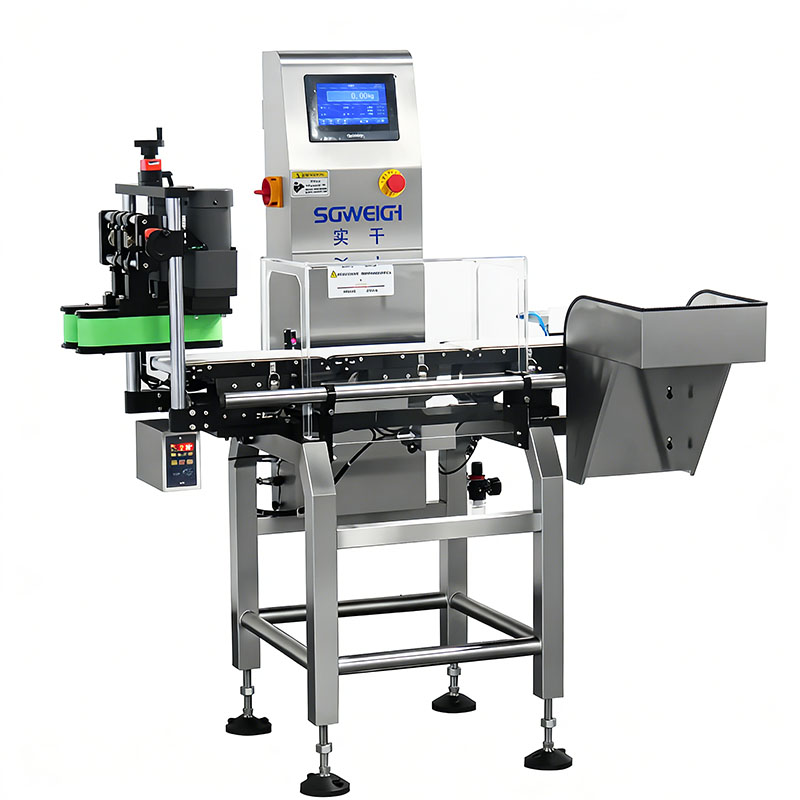
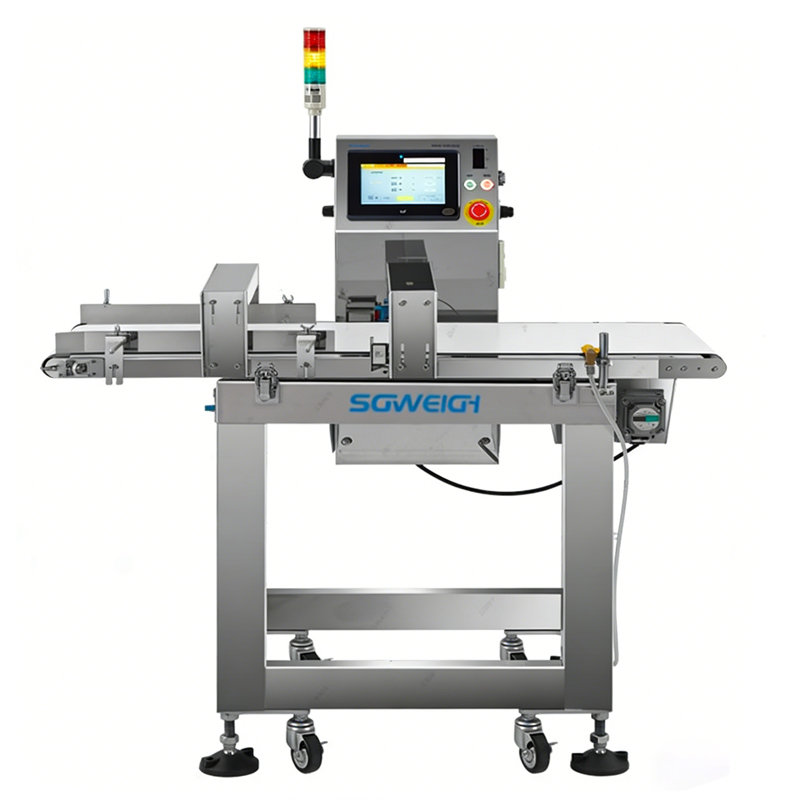
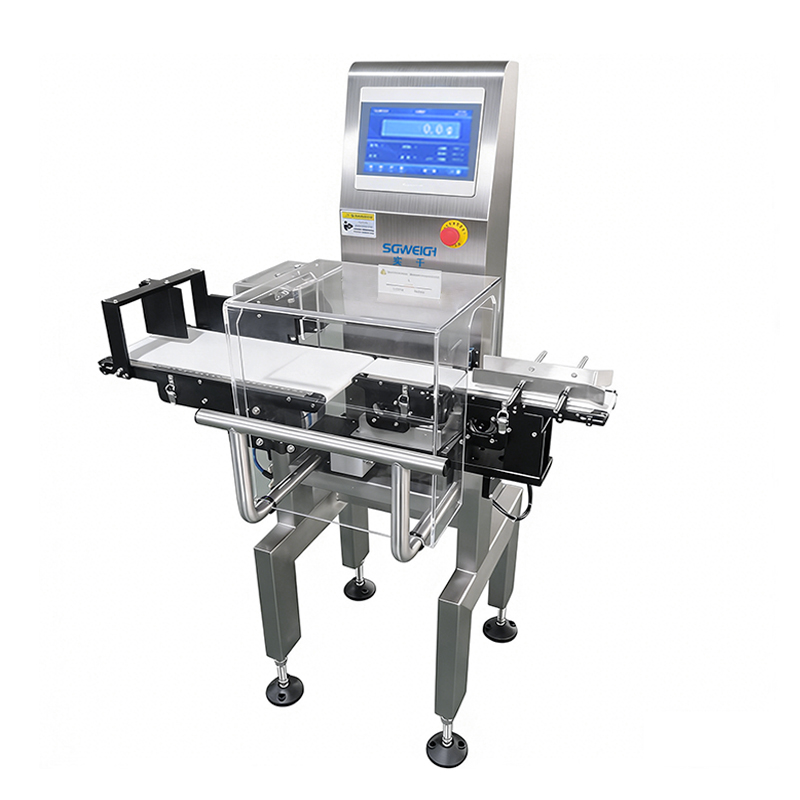
In modern automated production lines, maintaining product quality and compliance is essential. An automatic checkweigher plays a key role in verifying product weight, but its effectiveness depends heavily on one critical component—the rejection system. This system ensures that any product failing to meet weight specifications is removed from the production line quickly and accurately.
This article explains what a rejection system in a checkweigher is, how it works, and why it is vital for efficient quality control.
What Is a Rejection System?
A rejection system in a checkweigher is a mechanism designed to automatically remove products that fall outside predefined weight limits. These products may be underweight, overweight, or otherwise non-compliant with quality standards.
Once a product is identified as out-of-spec, the rejection system activates instantly to separate it from acceptable products, ensuring only compliant items continue down the production line.
How Does a Rejection System Work?
A rejection system operates as part of a fully automated process:
1. Weight Detection
The checkweigher measures each product in motion and compares it to preset weight limits.
2. Signal Processing
If a product is outside the acceptable range, the system sends a signal to the rejection mechanism.
3. Timed Activation
The rejection device activates at the precise moment the product reaches the rejection point on the conveyor.
4. Product Removal
The non-compliant product is removed from the main line and directed into a reject bin or separate conveyor.
This process happens in real time, without interrupting production flow.
Types of Rejection Systems
Different applications require different rejection methods. Common types include:
1.Drop Flap (Falling Culling)
A section of the conveyor opens, allowing the product to fall into a reject bin.
Best for: Rigid or stable items.
2.Air Blowing Rejection
A jet of compressed air pushes lightweight products off the conveyor.
Best for: Small, lightweight items such as sachets or pouches.
3. Drop Culling
A rotating arm gently pushes products off the conveyor.
Best for: Fragile or irregularly shaped items.
4. Pusher Rejection
A mechanical arm or pusher moves products sideways off the conveyor.
Best for: Medium-weight products like cartons or boxes.
5. Diverter System
A gate or arm redirects products into a separate lane.
Best for: Sorting applications or high-speed lines.

Key Benefits of a Rejection System
1. Ensures Product Quality
Only products that meet weight specifications proceed to packaging or distribution.
2. Supports Regulatory Compliance
Helps manufacturers comply with labeling laws and industry standards.
3. Improves Production Efficiency
Automated rejection eliminates the need for manual inspection and reduces bottlenecks.
4. Reduces Waste and Costs
Prevents defective products from reaching the market, minimizing recalls and rework.
5. Enhances Process Control
Provides consistent and reliable removal of non-conforming items.
How to Choose the Right Rejection System
Selecting the appropriate rejection system depends on several factors:
Product size, shape, and weight
Conveyor speed and production volume
Product fragility
Available space on the production line
Required rejection accuracy and speed
Choosing the right system ensures smooth operation and minimizes product damage.
Applications Across Industries
Rejection systems in checkweighers are widely used in:
Food and beverage: Removing underfilled or overfilled packages
Pharmaceuticals: Ensuring accurate dosage in tablets and capsules
Cosmetics: Maintaining consistent product weight
Logistics: Verifying parcel weight accuracy
Packaging: Detecting missing components in boxed products
Why Rejection Systems Are Essential


Without an effective rejection system, a checkweigher cannot fully perform its quality control function. The ability to automatically detect and remove non-compliant products ensures that production lines remain efficient, accurate, and compliant with industry regulations.
Conclusion
A rejection system is a vital part of any checkweigher, enabling real-time removal of out-of-spec products from the production line. By ensuring accuracy, efficiency, and compliance, it helps manufacturers maintain high-quality standards and optimize their operations.
Investing in the right rejection system not only improves product quality but also enhances overall production performance.
As a professional checkweigher manufacturer, SGWEIGH always focuses on technological innovation and adheres to the principle of quality first, providing customized checkweigher solutions for various industries such as electronics, pharmaceuticals, and food. Welcome to contact us!