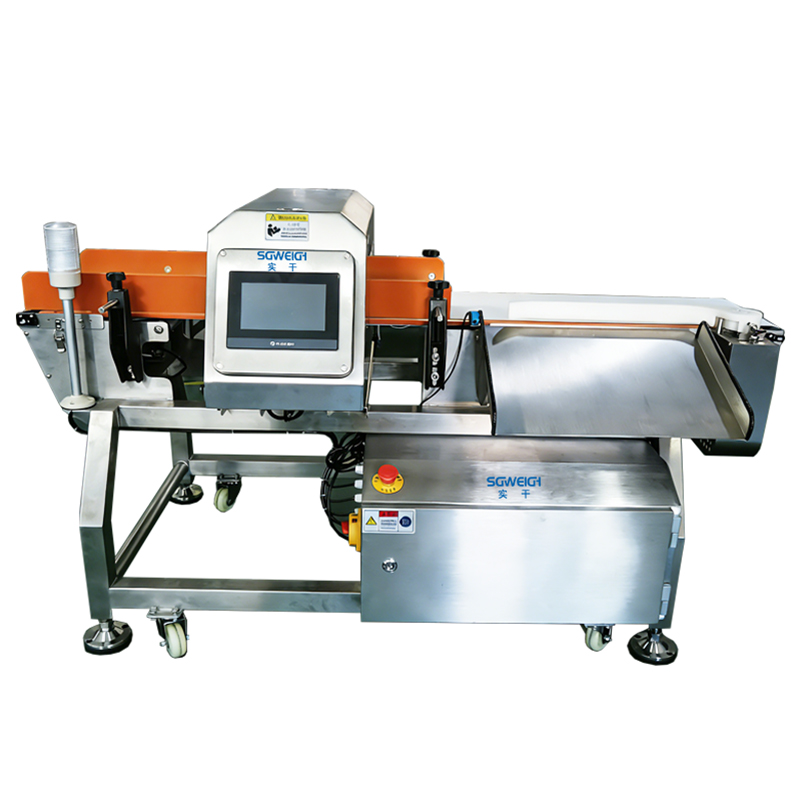
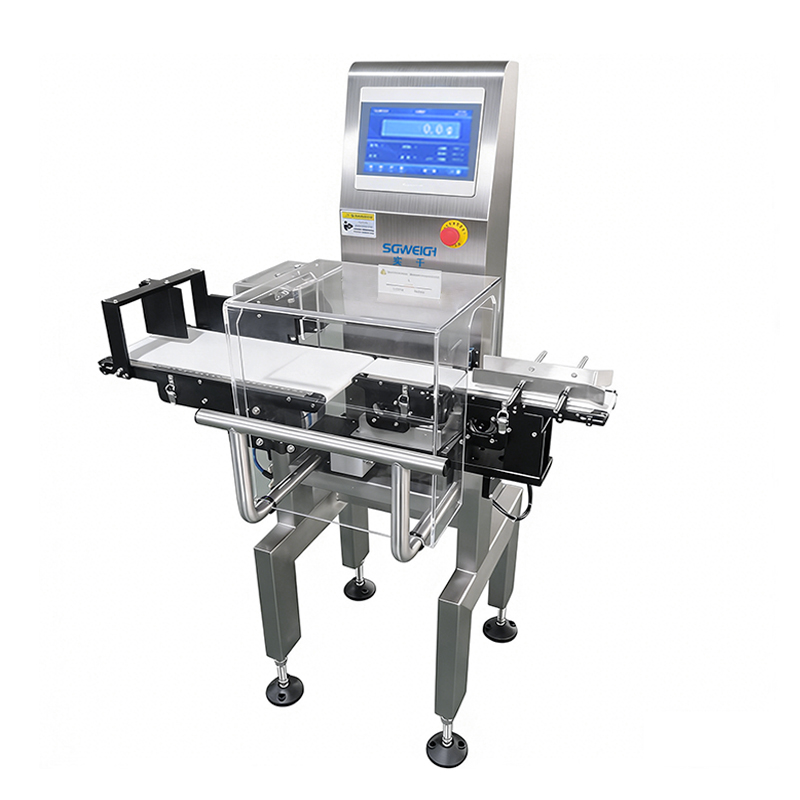


What Is the Difference Between Static and Dynamic Checkweighers?
In modern manufacturing and packaging environments, accurate weight control is essential for quality assurance and regulatory compliance. Choosing between a static and a dynamic checkweigher depends on production speed, accuracy requirements, and workflow design. Understanding the differences helps businesses select the right solution for their operations.

What Is a Static Checkweigher?
A static checkweigher measures the weight of a product while it is stationary. The item is placed on a weighing platform, and the system records its weight before it moves to the next stage.
Key Features:
Weighs products one at a time
Requires manual or semi-automatic operation
Typically used in low-speed environments
Advantages:
High accuracy due to stable weighing conditions
Lower initial investment cost
Simple operation and maintenance
Limitations:
Slower throughput
Not suitable for continuous production lines
Requires more manual handling
What Is a Dynamic Checkweigher?
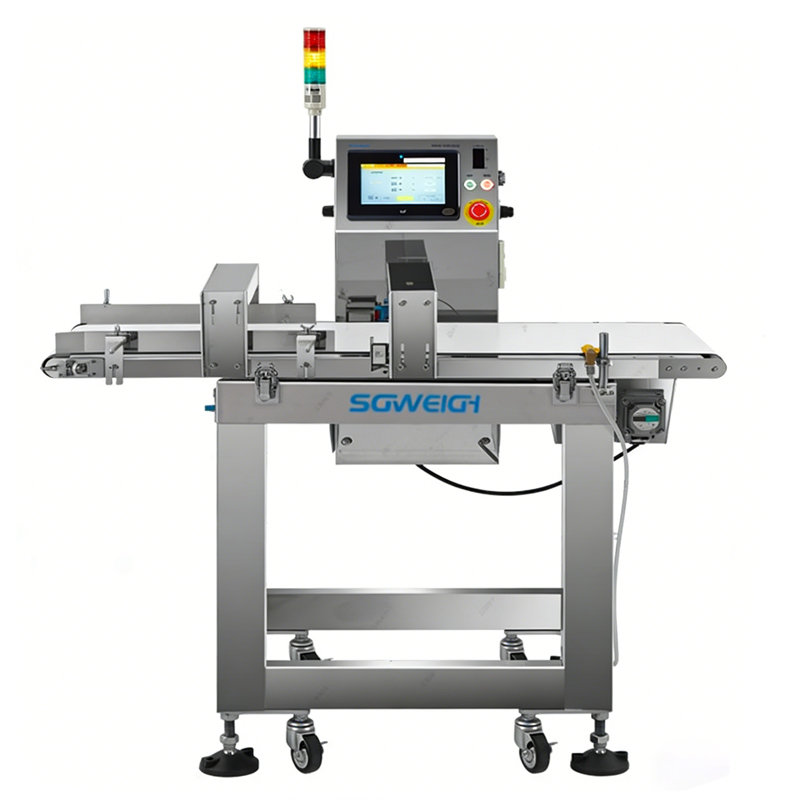
A dynamic checkweigher weighs products in motion as they travel along a conveyor system. It automatically measures, analyzes, and sorts items without stopping the production line.
Key Features:
Continuous, real-time weighing
Fully automated operation
Integrated with conveyor systems
Advantages:
High-speed processing (ideal for mass production)
Reduces labor and manual intervention
Enables automatic rejection of out-of-spec products
Limitations:
Higher initial investment
Requires proper setup and calibration
Accuracy can be influenced by environmental factors
Key Differences Between Static and Dynamic Checkweighers
| Feature | Static Checkweigher | Dynamic Checkweigher |
| Weighing Method | Stationary | In-motion |
| Production Speed | Low | High |
| Automation Level | Manual / Semi-automatic | Fully automatic |
| Accuracy | Very high (stable conditions) | High (depends on setup) |
| Integration | Standalone | Inline with production lines |
| Best Use Case | Small batches, lab testing | High-volume production |
When Should You Use a Static Checkweigher?
A static checkweigher is ideal when:
1. Production volumes are low
2. Maximum precision is required
3. Manual inspection is acceptable
4. Budget constraints limit automation
Typical applications include laboratories, quality control stations, and small-scale manufacturing.
When Should You Use a Dynamic Checkweigher?
A dynamic checkweigher is the better choice when:
1. Production lines run continuously
2. High throughput is required
3. Automation and efficiency are priorities
4. Integration with other equipment is needed
It is widely used in industries such as food processing, pharmaceuticals, and packaging.
How to Choose the Right Checkweigher?
When selecting between static and dynamic systems, consider:
1. Production speed: High-speed lines require dynamic systems
2. Accuracy requirements: Static systems offer slightly higher precision in controlled conditions
3. Level of automation: Dynamic systems reduce manual labor
4. Budget and ROI: Balance upfront cost with long-term efficiency gains
Why the Right Choice Matters?
Selecting the appropriate checkweigher impacts:
Product quality consistency
Compliance with industry regulations
Production efficiency and cost control
A well-matched system ensures smooth operations and long-term reliability.

The main difference between static and dynamic checkweighers lies in how products are weighed—stationary versus in motion. Static systems are best suited for low-volume, high-precision tasks, while dynamic systems are designed for high-speed, automated production lines.
Understanding these differences allows manufacturers to optimize their processes, reduce waste, and maintain consistent product quality in an increasingly competitive market.
Each type of checkweigher has its specific application scenarios and advantages. Choosing the right checkweigher depends on production needs, item type, weight range, accuracy requirements, and other technical parameters. SGWEIGH has extensive experience in checkweigher manufacturing and offers a wide range of customization options to tailor checkweigher systems to meet specific customer needs and requirements. If you are interest, please feel free to contact us.